Landscape Maintenance for Curb Appeal Before Selling Your Home
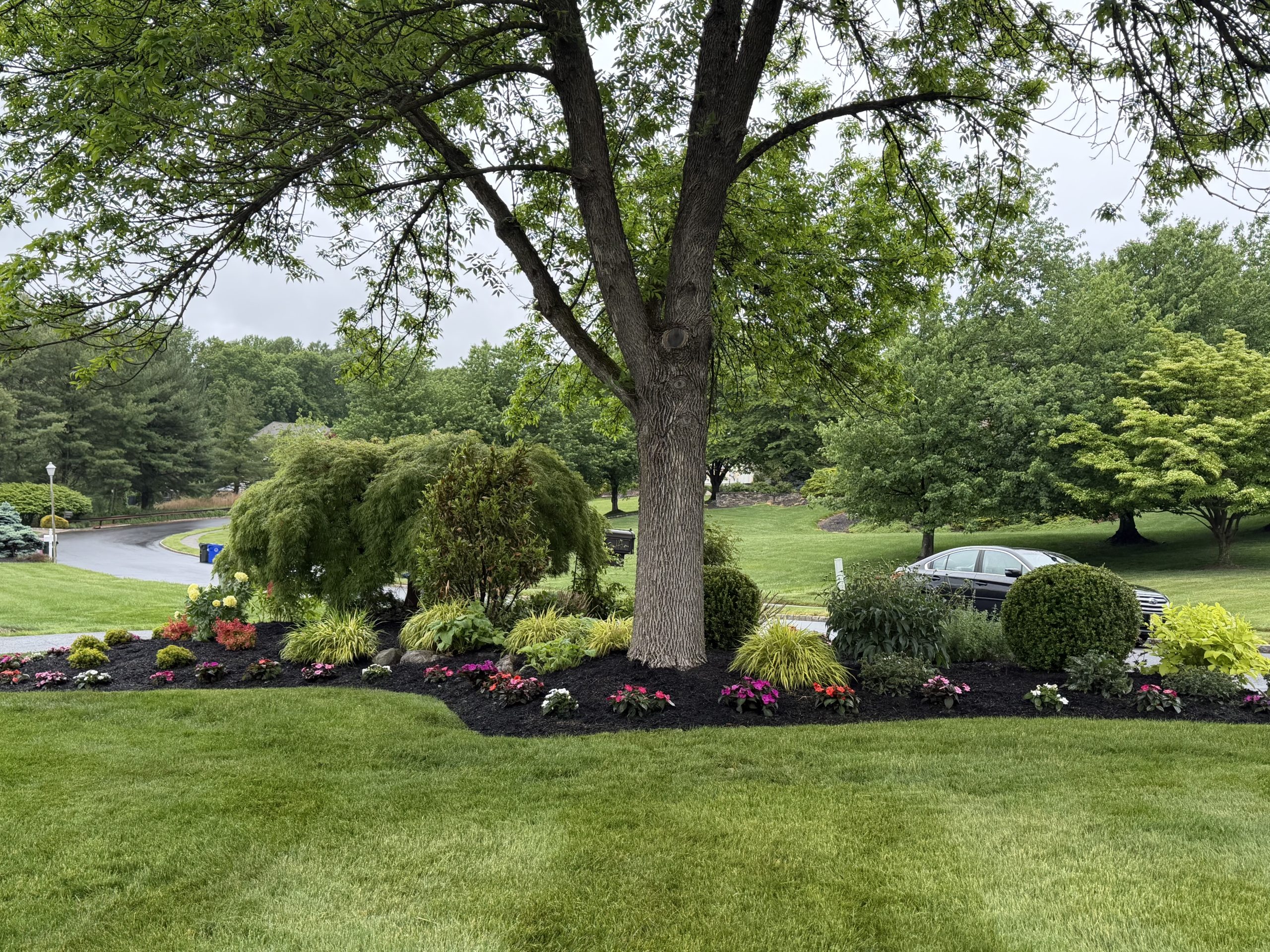

When sellers think about preparing a house for the market, they usually start indoors. Paint the walls, clear the countertops, fix the leaky faucet, maybe swap out a dated light fixture. Those things matter, but the first judgment happens outside, often before a buyer has even parked the car.
That first look is fast, emotional, and surprisingly sticky. If the lawn looks tired, shrubs are crowding the walkway, or flower beds seem neglected, buyers begin adding invisible costs to the property. They assume deferred maintenance. They wonder what else has been overlooked. On the other hand, a clean, cared-for exterior suggests a home that has been responsibly owned.
Landscape maintenance is not the same thing as a major landscaping overhaul. Sellers do not need to install a resort-style yard to improve curb appeal. In most cases, the smartest move is disciplined maintenance, clear edges, healthy turf, tidy beds, clean hardscapes, and a front entry that feels inviting rather than busy. The goal is not to impress a landscape architect. The goal is to help buyers feel comfortable and confident.
Buyers read the yard before they read the listing
I have seen modest homes with average interiors create a strong showing impression simply because the outside looked crisp and orderly. I have also seen beautiful interiors undercut by an exterior that felt neglected. Buyers are not always conscious of how much the yard is influencing them, but they feel it.
A well-maintained landscape does three important jobs at once. It frames the architecture, softens flaws, and signals upkeep. Even small details carry weight. A neatly trimmed hedge makes windows look larger. Fresh mulch can make a tired foundation planting appear intentional again. A pressure-washed walkway brightens the whole front approach.
This is especially true in competitive neighborhoods where buyers tour several homes in one afternoon. They may not remember exact square footage or appliance brands, but they remember the house that felt easy to love from the street. That is why landscape maintenance deserves a place near the top of the presale checklist.
Start with a buyer's-eye walk to the curb
Before you touch a single plant, step outside and look at your home the way a stranger would. Walk across the street. Drive up slowly. Stand where a buyer would stand while waiting for the agent to unlock the door. What draws the eye first, and is that what you want noticed?
Often, the biggest issues are not dramatic. Overgrown shrubs may be blocking the lower half of the windows. A tree may be casting so much shade that the lawn has thinned into patchy dirt. Garden beds may contain too many different materials, black plastic edging, old annuals, faded ornaments, and scattered weeds. None of this requires a landscape redesign. It requires editing.
Take photos with your phone. Photos flatten space and make clutter more obvious. They also reveal uneven pruning, awkward bare spots, and distracting elements like hoses, bins, or worn planters. If the front yard looks smaller in pictures than it does in person, there is probably too much visual bulk near the entry.
A practical seller asks two questions. What can be improved quickly for a reasonable cost? What will make the property look easier to maintain for the next owner? Buyers are often more attracted to manageable, healthy landscaping than elaborate, high-maintenance beds.
Lawn care sets the tone
Nothing reads as neglect faster than a struggling lawn, especially in neighborhoods where turf is expected. Buyers do not demand perfection, but they do notice obvious problems. If the grass is matted, full of weeds, or scalped in places, it affects the entire front elevation.
Timing matters here. If you are listing in spring or early summer, begin lawn care several weeks in advance. Mow consistently, not too short. Most lawns look best when cut at a height that leaves enough blade to appear dense and healthy. A lawn cut too low often turns pale and exposes thin spots. Water deeply enough to encourage stronger roots, especially if the weather is dry. If you have bare patches, a simple patch-and-reseed approach can help, provided you allow enough time for germination and fill-in.
Weed control needs a little judgment. A few scattered broadleaf weeds in an otherwise green lawn are less harmful than dead spots caused by aggressive last-minute treatment. If you have time, spot-treat weeds early. If you are close to listing, focus on mowing, edging, and improving overall color rather than taking risks.
If your region is drought-prone or your lawn is in poor shape because of seasonality, be realistic. Sometimes the better decision is to present the lawn as clean and intentional rather than chase a perfect green carpet that local buyers know is unrealistic. Rake leaves, remove debris, define edges, and make sure irrigation overspray is not staining sidewalks or fences.
Shrubs, hedges, and foundation plants need restraint
Foundation plantings can either support the house or swallow it. The most common mistake before listing is overgrowth. Shrubs that once looked proportional now push against siding, obscure trim, or narrow the path to the front door. Mature landscapes often need subtraction more than addition.
Pruning should be thoughtful, not frantic. Buyers can tell when hedges have been hacked into harsh shapes the day before photographs. Aim for clean, natural form. Open up windows, reveal architectural lines, and create breathing room between plants and the house. If a shrub is truly oversized and unattractive, removal may be wiser than a severe cutback.
There is also a safety and maintenance message here. Plants touching the house can raise concerns about moisture, pests, and hidden damage. Trimming them back communicates care. If branches block outdoor lighting or house numbers, clear those areas as well.
I once walked a listing where mature yews had grown so high they covered most of the front porch. The porch itself was charming, but from the street it looked dark and inaccessible. Once those shrubs were reduced and one was removed entirely, the entry suddenly became the focal point. The house did not change. The buyer's experience did.
Beds should look edited, not crowded
Flower beds do not need to be colorful in every season to look appealing. What buyers respond to is neatness, definition, and coherence. A bed full of weeds, spent blooms, volunteer saplings, and mismatched decorative pieces feels like work. A clean bed with fresh mulch and healthy plants feels manageable.
Weeding is one of the highest-return tasks in all of landscape maintenance because it costs little and changes the visual impression immediately. Edge the beds crisply. That line between lawn and planting area matters more than many sellers realize. It acts like a frame around the landscape. Even simple beds look sharper when they have a clear edge.
Mulch is another strong value move, but only when used with restraint. A fresh two-inch layer can unify the front yard, conserve moisture, and make plantings stand out. A thick mound of bright dyed mulch piled against trunks and stems does the opposite. It looks artificial and can suggest inexperience. Natural-looking mulch in a moderate depth almost always photographs better.
Color can help if used carefully. A few seasonal annuals near the entry, mailbox, or front walk can add life, especially if the rest of the yard is mostly evergreen. The key is https://jasperyzdw710.bearsfanteamshop.com/landscape-maintenance-techniques-for-managing-seasonal-transitions placement and scale. Buyers tend to respond better to a simple, polished planting than to too many varieties competing for attention.
Hardscapes quietly carry the whole scene
Walkways, driveways, retaining walls, steps, and patios are part of curb appeal, even if sellers think of them as separate from landscaping. Dirt, algae, rust stains, moss, and weeds in joints make the exterior feel older and more neglected than it is.
Pressure washing is one of the most cost-effective presale improvements available. A clean sidewalk can make the whole property appear brighter. The same is true for front steps, porch slabs, and paver paths. If the driveway has oil stains, treat them as best you can. Complete removal is not always possible, but improvement counts.
Pay attention to cracks and settling. Not every imperfection needs repair before listing, but obvious trip hazards near the front entry should be addressed. Buyers notice anything that feels unsafe or expensive. Loose pavers, wobbling handrails, and crumbling stair edges are worth fixing.
Fences and gates deserve a close look too. A sagging gate sends the same message as peeling trim indoors. If the fence is structurally sound, cleaning it, tightening hardware, and touching up stain or paint can make a major difference.
The front entry is where landscape maintenance meets hospitality
The route to the front door should feel open, safe, and easy. Buyers should not have to brush past wet branches, step over cracked edging, or wonder where the path begins at night. The entry is one of the few places where emotional appeal and practical maintenance overlap perfectly.
Trim plants back from the walkway. Make sure the door, hardware, and lockset are clean. Sweep the porch often. Replace a tired doormat. If you use containers, use fewer, better ones. Two healthy pots framing the entrance look composed. Six mismatched containers with struggling plants look like unfinished errands.
Lighting matters more than many sellers expect. If showings may happen in the evening, confirm that path lights, sconces, and porch fixtures work. Replace bulbs with warm, consistent color. If low-voltage lights are crooked or buried in plants, straighten them. Exterior lighting should quietly guide buyers, not call attention to itself.
House numbers should be visible from the street. Mailboxes should be straight and clean. These are small details, but real estate is often decided on the accumulation of small details.
What deserves attention first
If time and money are limited, focus on the items that deliver the clearest visual return.
- Mow, edge, and clean up the lawn and beds.
- Prune overgrown shrubs away from windows, doors, and walkways.
- Weed thoroughly and apply fresh mulch at a moderate depth.
- Pressure wash front hardscapes and clean the porch area.
- Add a few simple seasonal touches near the entry, if needed.
Those five tasks can transform a property more effectively than many expensive cosmetic upgrades. They also photograph well, which matters because online images shape expectations before a showing is ever booked.
Where sellers overspend
Some owners panic and assume they need a full landscape redesign before listing. Usually, they do not. Large installations rarely return dollar for dollar in a sale unless the existing yard is severely dysfunctional. Buyers may appreciate a newly built fire pit, custom lighting plan, or mature specimen tree, but those features are often too personal and too expensive for a short selling timeline.
The better use of funds is usually corrective maintenance. Hire professionals to prune correctly if the front shrubs are overgrown. Bring in a lawn service for six to eight weeks if the grass needs help stabilizing. Pay for mulch delivery, cleanup, and pressure washing if those jobs are too large to handle yourself. Spend where labor, equipment, or skill truly affect the result.
There are exceptions. If the front yard has a glaring issue, such as a dead tree, broken irrigation causing erosion, or a failing retaining wall, repair becomes more than cosmetic. Those problems can raise inspection concerns and undermine buyer trust. Structural landscape issues should not be left untouched if they materially affect safety, drainage, or property condition.
Seasonal realities change the strategy
The right approach depends on when you are listing. A spring listing benefits from fresh growth, but it also exposes winter damage. Broken branches, snow mold, salt-burned edges, and compacted beds should be addressed early. Spring is also when weeds can get ahead quickly, so regular attention matters.
Summer listings often require more irrigation discipline. Heat stress shows up fast in containers, annuals, and shallow-rooted turf. Brown patches may be unavoidable in some climates, but scorched hanging baskets and wilted entry pots are preventable. Summer also tends to accelerate hedge growth, which means a light maintenance trim may be needed again before closing.
Fall can be an excellent selling season for landscape maintenance because the work is straightforward and visible. Clean leaf removal, tidy perennials, cutback of spent annuals, and fresh mulch can create a sharp, orderly presentation. Mums and ornamental grasses can add seasonal character if used sparingly.
Winter is tougher, but not hopeless. In cold climates, curb appeal depends more on cleanliness and structure than color. Clear walkways thoroughly, keep branches off the house, remove dead annuals, and use evergreen material or simple containers at the entry if appropriate. Buyers are generally fair about winter landscapes, but they still notice neglect.
Drainage and grading should not be ignored
Curb appeal is visual, but buyers also look for clues about hidden problems. One of the biggest is drainage. If water pools near the foundation, mulch has washed into the lawn, or downspouts dump water onto front walkways, buyers notice. They may not know the technical cause, but they sense risk.
Good landscape maintenance before a sale includes managing these visible signs. Extend downspouts if necessary. Regrade small low spots where feasible. Clean gutters so overflow does not stain siding or trench through beds. Replace splash blocks if they are broken or missing.
These fixes are not glamorous. They do not make listing photos dramatic. Yet they quietly reinforce the idea that the property has been looked after. That reassurance can be as valuable as flowers.
It should look maintained, not staged to the point of suspicion
There is a fine line between polished and overdone. Buyers get uneasy when a yard looks artificially perfect right before sale, especially if recent work appears to hide deeper issues. Fresh sod laid in isolated areas, extreme pruning on mature plants, or heavy mulch mounded over everything can prompt skepticism.
The best presale landscape work looks natural, as if the home has always been cared for this way. Healthy grass, clean lines, visible architecture, and a simple front entry feel honest. That matters. Buyers are not just shopping for a property. They are deciding whether they trust what they are seeing.
A practical two-week timeline
For sellers who need a manageable plan, this sequence usually works well:
- In the first few days, clean, weed, prune, and remove anything dead, broken, or visually cluttered.
- Midway through the process, mow, edge, patch lawn issues, and wash hard surfaces.
- In the final days, spread mulch, place simple entry accents, and do a full detail pass for hoses, tools, bins, and debris.
That timeline avoids a common mistake, which is doing everything too early. Freshly mulched beds still look good after a week or two, but a newly mowed lawn can lose its edge quickly in peak growing season. Try to schedule final grooming as close to photography and showings as practical.
The return is not only financial
Sellers often ask whether landscape maintenance adds value. In strict appraisal terms, not every task raises the official number attached to the property. But market value is not only about appraisals. It is also about buyer traffic, emotional reaction, time on market, and the strength of offers.
A home that looks cared for from the curb tends to photograph better, show better, and attract fewer concerns during walk-throughs. It reduces friction. It also helps buyers imagine the move-in experience. They picture themselves carrying groceries up the path, greeting guests at the porch, or letting children play in the front yard. Those mental pictures matter more than any single petunia or edging line.
Landscape maintenance before selling is really about removing doubt. You are showing buyers that the house has been respected. You are making the property feel approachable and manageable. And in many cases, you are doing it with basic, well-executed work rather than expensive renovation.
For most sellers, that is the sweet spot. Clean instead of complicated. Healthy instead of flashy. Intentional instead of overdesigned. The homes that make the strongest first impression are often not the ones with the biggest budgets. They are the ones where every outdoor detail quietly says the same thing: this home has been cared for.
Majestic Mowing & Landscaping LLC
Phone number: +19733975532
FAQ About Landscape Maintenance
What is landscape maintenance?
Landscape maintenance is the ongoing care, cleaning, and upkeep of outdoor green spaces to keep them healthy, safe, and attractive.
Is $100 an hour too much for landscape work?
An hourly rate of $100 is not too much for specialized or professional landscape work, though it sits at the higher end of the standard pricing spectrum.
How much do landscapers charge for maintenance?
For professional landscaping maintenance, homeowners typically pay $100 to $410 per month for recurring services, or an hourly labor rate of $50 to $100 per hour per crew member.